
Fields on the Essex County Owner Record
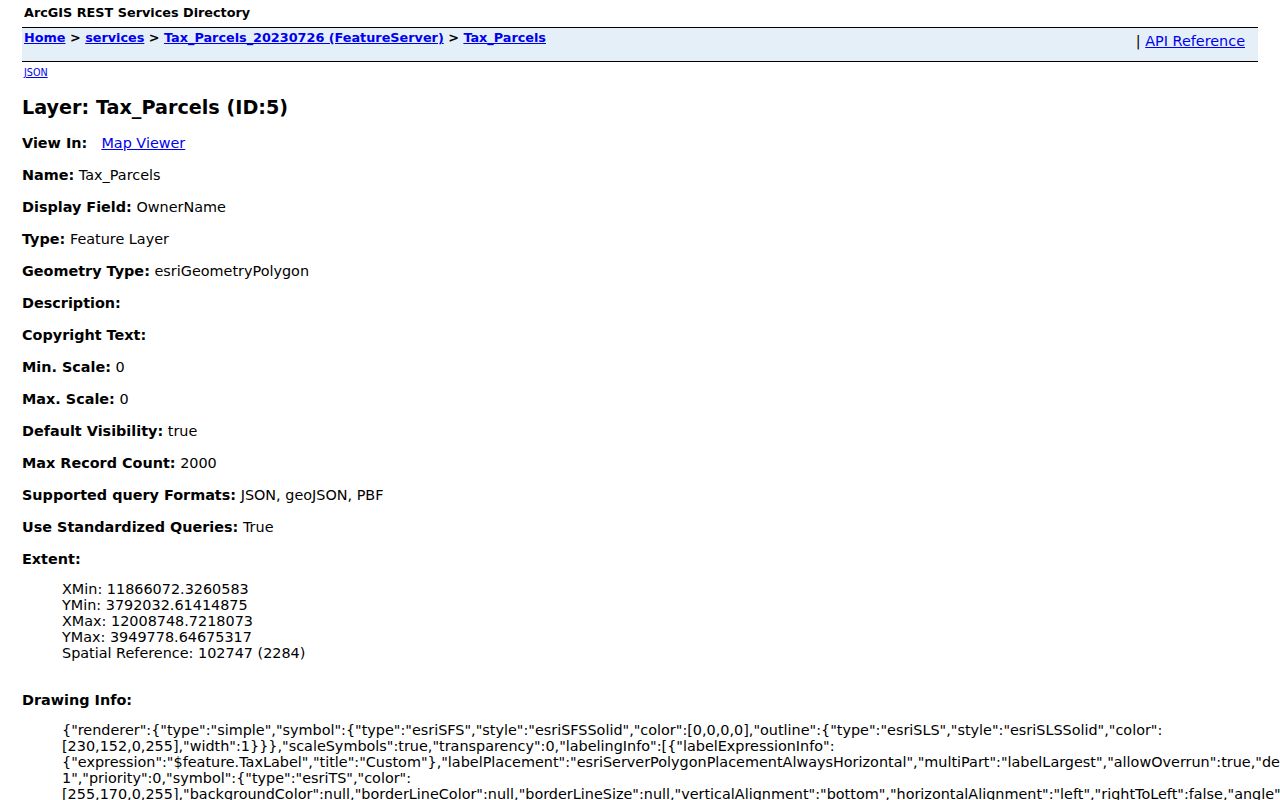
Essex County stores its owner data in labeled fields. OwnerName carries the first listed owner. CoOwner_Fi holds a second name when one exists. Beyond ownership, the assessment record splits the 9-1-1 Address from the mailing fields and adds PID, LegalDescr, acreage, and value components. Read those labels together to see what the tax roll says about a parcel right now. The map layer may not carry every party on title, so confirm its owner fields against a recorded deed before relying on them.
| OwnerName / CoOwner_Fi | First and second assessment-side owner fields |
|---|---|
| Mailing fields | Mailing Add, MailingCit, MailingSta, and MailingZip for tax correspondence |
| Situs address | Address field for the 9-1-1 parcel location, sometimes 0 Road Name |
| Parcel identity | PID, TaxLabel, Mblu, and LegalDescr for cross-checking |
| Value fields | TotalLand, TotalImp, and TotalParc on the assessment layer |
| Latest deed | Confirm the grantee and recorded reference in COVERS/SRA; exact online cutoff is not published |
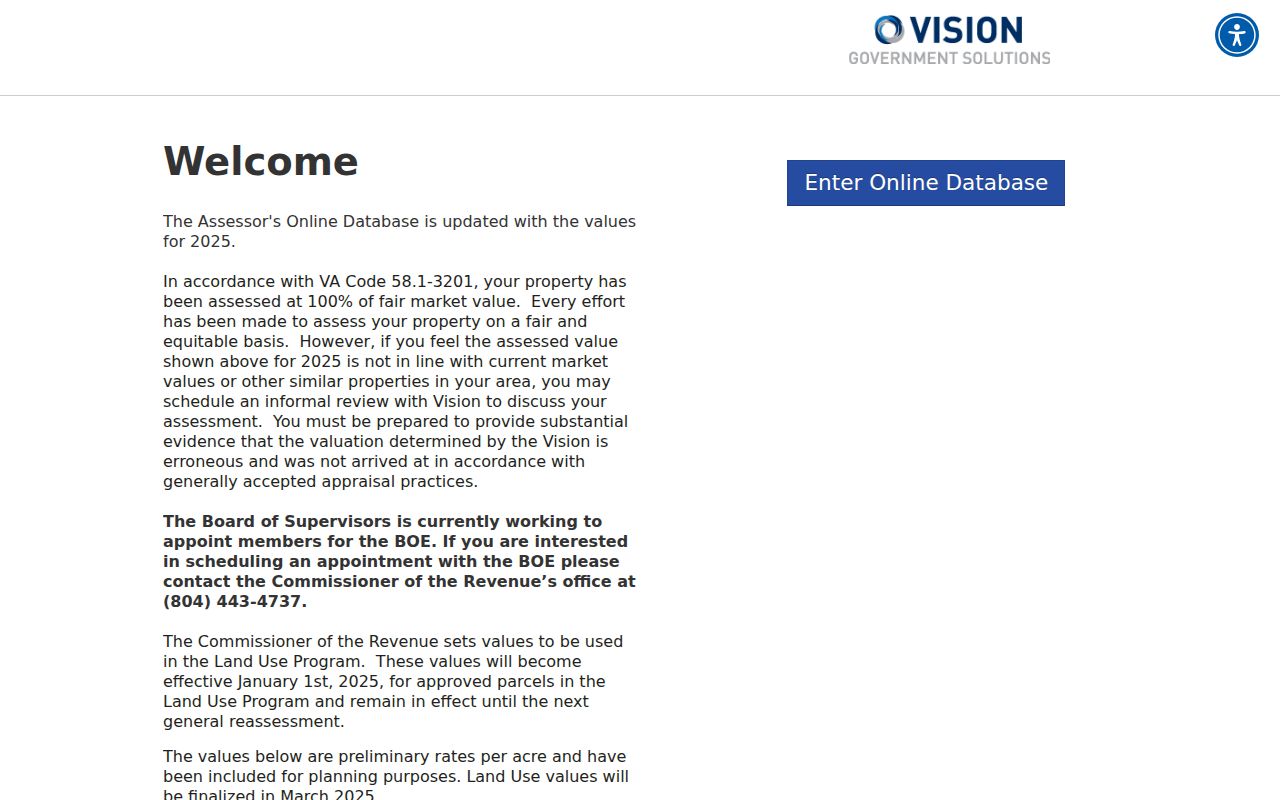
An owner of record is not always the occupant. The mailing address may belong to an out-of-area owner. The Vision landing page reports 2025 values and a one-hundred-percent fair-market assessment standard for Essex County. A live parcel card may not display a last-sale date or price. Check the deed record for those details.
Confirm the Current Essex County Owner
When ownership matters, treat the assessment card as the starting point. It locates the parcel and its listed owner. The latest recorded deed names the grantee who actually took title. A deed can be recorded before the tax roll catches up. Essex publishes no fixed update interval between recording and reassessment. Read the recording date, parties, and land description closely. If the card and deed disagree, ask the Commissioner of the Revenue whether the tax record has been updated.
- Search the property in Vision's Essex County database and note OwnerName, CoOwner_Fi, PID, and LegalDescr.
- Search the clerk's COVERS/SRA index for the latest conveyance into that name and compare the parcel description.
- If the grantee is an entity or estate, check the related business or fiduciary filing as context, while treating the deed as the land-transfer evidence.
- If the newest deed is missing online, contact the Circuit Court Clerk for inspection or copy options; not every record image is online.
- Owner of record
- The person or entity named in the assessment or recorded land record.
- Vesting
- The form in which a deed names the grantee or entity holding the interest.
- Recording lag
- The time between a new deed and the next assessment update; Essex does not publish a typical interval.
Essex County Owner Names and Mailing Addresses
Essex County keeps situs and mailing data in separate fields. The 9-1-1 address locates the parcel. Mailing Add, Cit, Sta, and Zip route the tax correspondence. A rural parcel can show 0 Road Name when no 9-1-1 address exists. Several homes may share one listed address. Match the PID and LegalDescr. That confirms the owner record belongs to the right land.
Lawful use. Use the Essex County tax mailing field for a focused property matter only. Do not use an owner name or mailing address to stalk, harass, or harm anyone.
Essex County Owner Fields in the Parcel Layer
The county's ArcGIS inventory names the first owner field OwnerName. The second is CoOwner_Fi. Those labels matter once a deed vests title in more than one party. The layer also carries the legal description. It includes the PID, mailing address components, and a WebLink to Vision. It is a data inventory, not a promise of completeness. Not every parcel card displays every value. Not every title party appears in the map service.
Save the exact spelling and parcel keys from the assessment record. Search the owner name in Vision. Compare the deed grantee. The Commissioner of the Revenue is the assessment contact when a field looks incomplete. The Circuit Court Clerk keeps the recorded conveyance. The parcel layer field list defines the owner and mailing labels.
Use the card as the key; verify grantor and grantee in the land index.
Essex County Owner Record After Reassessment
Vision states the Essex database is updated for 2025. Property is assessed at one hundred percent of fair-market value. The county's 2025 reassessment followed a four-year cycle. Its effective valuation date was January 1, 2025. That value year fixes when the tax valuation applies. It does not date the current owner's acquisition.
If an owner name or value looks stale, keep the current card, the assessment notice, and the latest deed reference together. Virginia law allows inspection of appraisal cards and working papers after reassessment notice, subject to protected material. The Essex public page mentions informal review and the Board of Equalization. It does not state the local deadline or form. The Commissioner can confirm those details. The Vision landing page carries the 2025 notice.
The assessment year and the deed date answer separate questions, so treat them as two clocks rather than one timeline.
Essex County Deed Confirmation Route
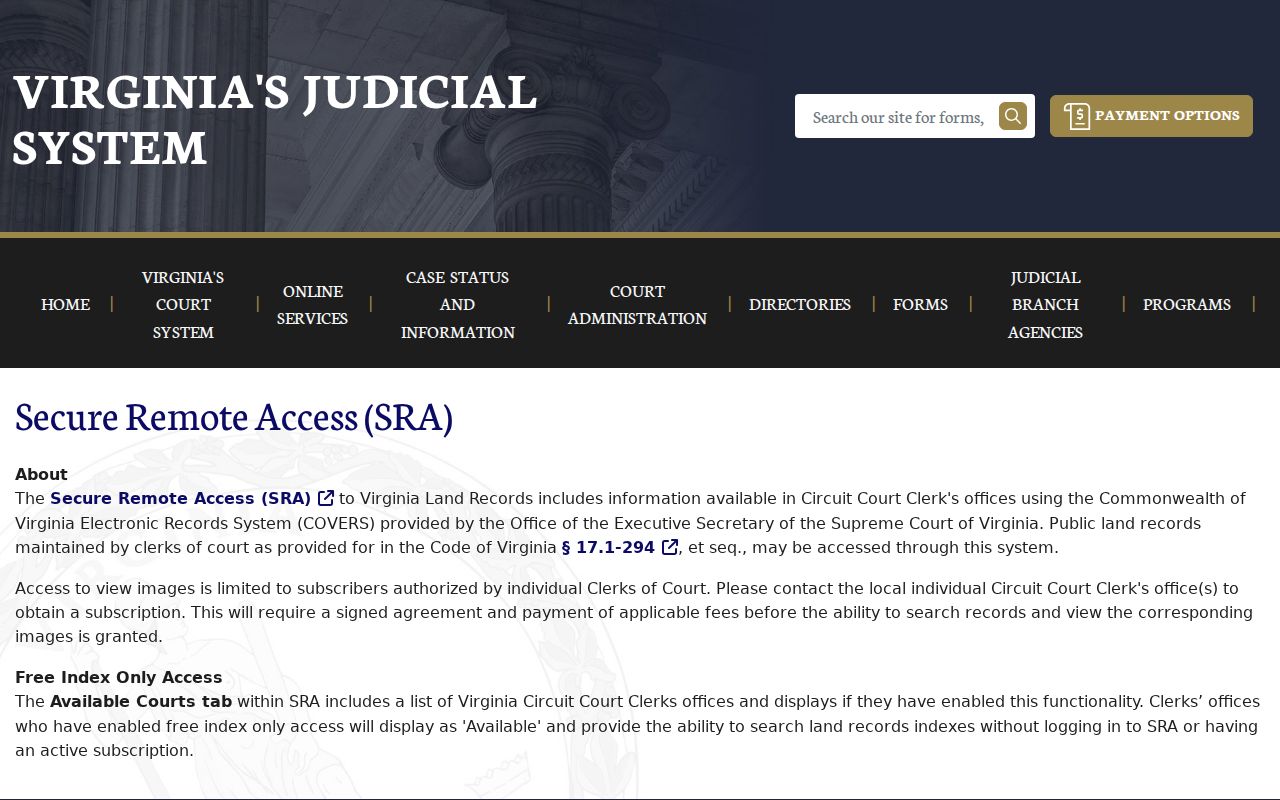
Deed records in Essex County run through COVERS, the land-record indexing and scanning system. Virginia SRA serves as the online route. The county does not accept e-recording at this time. Nor does it publish the earliest year available online. SRA coverage depends on the clerk, so not every document appears there. Index-only access can be free where it is enabled, while images call for a clerk-authorized subscription. When an image is missing, the fallback is an in-person inspection or a copy request.
The Circuit Court Clerk sits at 305 Prince Street in Tappahannock. The phone number is 804-443-3541. Public inspection runs from 8:30 a.m. to 4:30 p.m., and copies cost $0.50 per page. Confirming a new owner of record takes specifics. Give the clerk the party names, the date, and the legal description. Virginia SRA access information explains the gap. It shows why an index result and a document image can differ in availability.
Request the recorded conveyance itself, not just the newest land-record item. A deed of trust only creates a security interest. A satisfaction only releases one. Neither instrument, by itself, shows that title moved to a new owner. Check the deed's grantor, grantee, legal description, and recording date. They show whether it actually changed ownership. If the search yields an index entry with no image behind it, ask the clerk. The clerk can say which inspection or copy route applies.
Remote research works through Virginia's SRA service. It covers the deed index and images wherever Essex access is available.
Always cite a deed reference when ordering a copy.
When an Essex County Owner Is an Entity
The current grantee on an Essex County deed is not always a person. Sometimes it is a trust, an estate, an LLC, a corporation, or a fiduciary. Record the name exactly as it appears on the deed and the assessment record. Short forms and abbreviations can throw off a name search. For an LLC or corporation, the Virginia SCC business-entity search may reveal a filing. It may also reveal a registered agent. An SCC record alone, though, proves nothing. It does not tie the entity to a particular Essex parcel.
A deceased owner changes the paper trail. The chain may include a will, a fiduciary account, or an order of sale. It may also show an executor or administrator deed, a deed of distribution, or a life-estate instrument. The Library of Virginia catalog lists Essex wills and fiduciary materials. To show how land actually moved, follow the recorded conveyance or a clerk-confirmed estate instrument.
Be careful with abbreviated business names. Never expand one into a person's name without a record supporting that connection. The Virginia State Corporation Commission shows entity filings and registered-agent details. The Essex deed index and assessment card address the parcel itself. A registered agent is not automatically the landowner. A trustee or executor often acts in a representative capacity. The land is not held for personal use. For that reason, the deed language matters more than the title next to the name.
Request Essex County Owner Information
Virginia's Freedom of Information Act sets the ground rules for a request. It must identify records with reasonable specificity. The agency generally must respond within five working days. That deadline covers the response itself, not the completion of a large production. Send the ask to the actual custodian. The Commissioner handles assessment material. The Circuit Court Clerk handles deeds. The Treasurer contact form warns that submissions may themselves become FOIA records.
Skip the sensitive data. Do not send Social Security numbers or driver's-license details. Keep medical or passport data out too. The same goes for passwords, tax IDs, and financial-account numbers through the Treasurer form. A county record request needs a few basics. List a parcel, a party, a record type, a date range, and a format. Unrelated personal data adds nothing. If redaction is the worry, ask the clerk. Name the specific instrument and the applicable rule.
One more point of Virginia law matters here. The Government Data Collection and Dissemination Practices Act treats this data plainly. It excludes real-estate assessment data from its definition of personal information. That exclusion does not resolve any dispute about a deed's legal effect. When you spot an error, direct the report to the office that maintains the record. Include enough parcel information for staff to pinpoint the exact card or instrument. Say whether the fix belongs with the assessment roll or the deed records.