
How to Find an Essex County Property Owner
Start with what you already know. An address is usually enough to begin an Essex County property search. A last name works too. Vision returns the assessment-side owner for the parcel. The GIS layer adds a first owner name and a second owner name. It also shows a separate mailing address. The Circuit Court Clerk's deed index settles it. A tax card can lag behind a newly recorded transfer. Carry the legal description and parcel ID through every lookup. That way a same-name result never points to the wrong tract.
- Search the address in Vision's Essex County Property Lookup, or use Owner mode if the name is already known.
- Copy PID, Mblu, OwnerName, CoOwner_Fi, mailing fields, and LegalDescr from the matching parcel record.
- Find the latest deed into the named owner through the clerk's COVERS/SRA route and compare the land description.
- If the grantee is an LLC or other entity, use the Virginia SCC entity search as a lead to the public filing, not as proof of land title.
- Use the tax mailing address for a property-related written inquiry; do not treat it as a residence or a license to contact someone repeatedly.
Essex County Owner Records by Source
Essex County systems name owners for different reasons. The Commissioner of the Revenue keeps the assessment-side owner. The clerk names the grantee in each recorded deed. GIS repeats selected owner and mailing fields to connect a map parcel to the tax record. The deed index and the property book can disagree briefly after a transfer. None of these sources proves occupancy. Check a name from one Essex County record against the land description in another before trusting it.
| Source | Owner Info It Gives | Access |
|---|---|---|
| Vision assessment card | Tax-roll owner name, parcel details, and value | Public web search; Commissioner contact if a record is unclear |
| Circuit Court Clerk deed index | Grantee and the recorded conveyance reference | COVERS/SRA, clerk inspection, or copy request |
| ArcGIS parcel layer | OwnerName, CoOwner_Fi, and mailing fields | Public GIS data; field list is not a title abstract |
| Virginia SCC entity search | Business filing and registered-agent clues | Separate entity record; deed remains the land-transfer evidence |
An owner of record is the person or entity named in the public assessment or deed record. That is a paper label. Occupancy is a separate fact entirely. The tax mailing address never proves residency. When an entity holds title, compare the deed grantee with the entity filing rather than treating an officer or registered agent as the owner.
Limits of an Essex County Owner Lookup
A name in a parcel layer is only a lead. It cannot prove that no later deed is waiting to reach the tax roll. It also skips court orders and private agreements. Virginia's public-records law opens records subject to exemptions. The state privacy law even excludes real-estate assessment information from its definition of personal information. Ask the custodian about a specific record or a redaction question. Do not assume every document is public in full.
Keep name searches tied to the land. The parcel's PID or Mblu does that. One person's name may attach to several parcels across the county. The same parcel may appear under several names. It may sit in a trust, a co-owner's name, a company, or an estate. Situs and mailing fields help separate locations. Still, the legal description and the current recorded conveyance are stronger checks. Use them whenever a result could belong to the wrong property.
Lawful use. Use Essex County owner information for property research, due diligence, and civic purposes. Do not use a name or mailing address to stalk, harass, or harm anyone.
Essex County OwnerName and CoOwner Fields
Essex County's parcel layer splits ownership into two fields. OwnerName lists the first owner. CoOwner_Fi lists the second. Treat them as search starting points rather than a full list of title parties. The layer also carries mailing street, city, state, and ZIP fields. Compare the name and parcel in the Vision assessment card. Then confirm the grantee in the latest deed. Search Owner mode with the card's spelling. Try a co-owner or entity name if the parcel does not appear. Punctuation and suffixes can differ between a deed, the tax roll, and an entity filing. The Essex parcel-field inventory documents the owner and mailing labels.
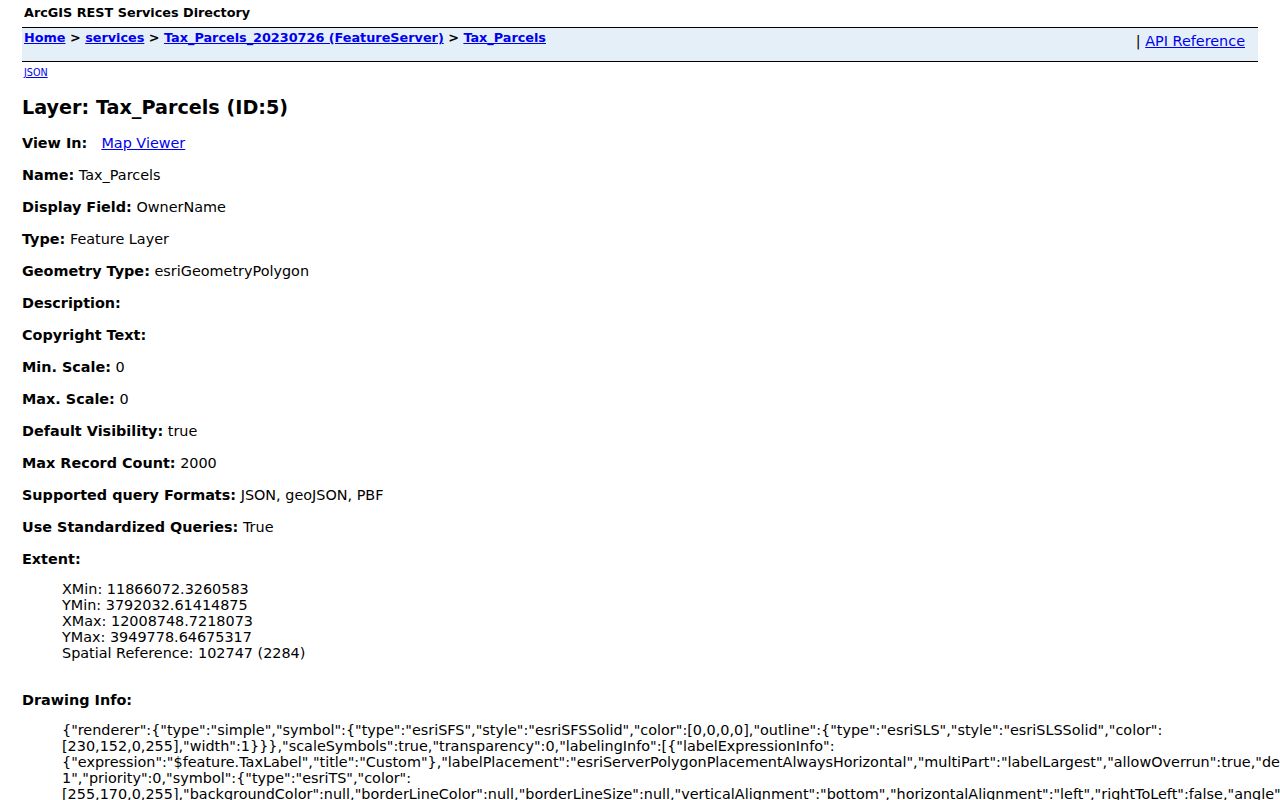
Use the displayed owner fields as a lead, not the final title answer. Treat OwnerName and CoOwner as clues pointing to the next record you should check for proof of ownership in Essex County.
Match an Essex County Owner to the Parcel
Address and owner are different search keys. ArcGIS labels Address as a 9-1-1 situs field. A parcel with no assigned number can display 0 Road Name. Several residences may also collapse into one displayed address, which makes the situs field a rough guide at best. Mailing Add, MailingCit, MailingSta, and MailingZip show where the tax bill is mailed. That tax address can sit far from the land. Never mistake it for a residence.
A Tappahannock mailing address alone does not make a parcel part of the town; check the corporate-limit layer before drawing that conclusion. ZIP 22560 serves both county and town offices. No full ZIP boundary list is published, so use PID, LegalDescr, and the GIS parcel location to make the final identity check.
A New Essex County Deed May Lead the Roll
Timing matters when names disagree. A freshly recorded deed can reach the land records before the tax roll catches up. The assessment card may trail the newest conveyance. Do not treat the Vision card as the last word on ownership. Pull the most recent conveyance in COVERS/SRA. Compare the recording date, grantor, grantee, and LegalDescr. If the assessment entry still looks off, contact the Commissioner for a review.
Essex does not accept e-recording. Its public land page publishes no online coverage cutoff. The clerk's office is the place to confirm whether a recent deed has been indexed or whether an image exists. The Circuit Court Clerk land-record page lays out the local route and copy terms. Index and image access through SRA can differ, so plan for that gap. Virginia's SRA service is the remote route for the deed index. Images come through it as well, where Essex access is available.
Read the instrument type before calling a name a new owner. A deed of trust, assignment, satisfaction, easement, or power of attorney can sit in the land-record index. It may not move title an inch. Find the conveyance itself. Match the grantee against the parcel's legal description. Keep the recording reference so the clerk can pull the exact document. The assessment owner field is a fine way to locate the parcel. It is no substitute for reading the instrument.
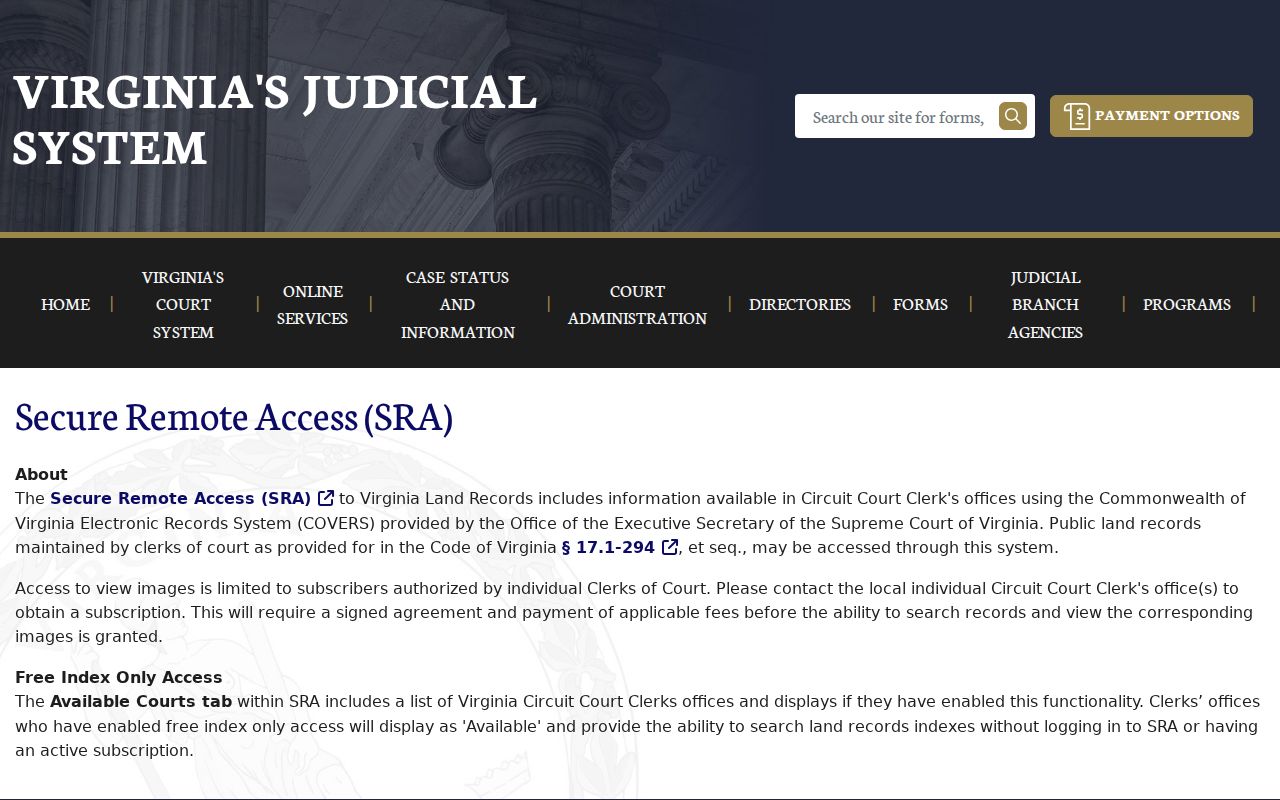
For a stale assessment name, the newest deed is the better timing check.
Essex County Trust, Estate, or Business Owners
A deed does not always vest land in a person. Companies, trusts, estates, and fiduciaries all appear as grantees in Essex County property records. Search the full grantee exactly as written, then compare it with the OwnerName field. A trust or estate may surface. The trail can widen to wills, fiduciary accounts, orders of sale, or fiduciary deeds. The Library of Virginia's Essex catalog lists wills and fiduciary records. Treat it as a finding aid, not a live owner lookup.
An LLC or corporation raises a different question. The Virginia SCC entity record supplies filing and registered-agent information. But it proves nothing about any particular parcel. The deed does that. Use the entity filing to decode the grantee name. Or use it to locate the right business record. Then let the recorded conveyance and parcel description tie the entity to the Essex land.
Estates call for care with instrument types. An executor deed points to one holder of title. An administrator deed points to another. A deed of distribution points to yet another. A fiduciary may be named in an instrument. That person may act in a representative role rather than as an owner. Read the document before concluding who holds the land.
Essex County Owner Records and Privacy
Virginia's Freedom of Information Act presumes public records are open unless an exemption applies. That presumption has limits, though. It does not put every field or court file in open view. Real-estate assessment information is excluded from the state definition of personal information. Other personal details may still be protected. A recorded instrument with sensitive content calls for a specific question to the clerk about public-copy or redaction procedures.
The Treasurer's contact form carries a plain warning. Submissions may become FOIA records. That bars Social Security numbers, driver's-license numbers, medical or passport data, passwords, tax IDs, and financial-account numbers. Keep any request lean. Name the record, parcel, party, and date range, and leave out personal data nobody needs.
The Government Data Collection and Dissemination Practices Act takes the same approach to assessments. It excludes them from its definition of personal information. That rule does not open every detail in every instrument. It does not authorize using an owner's name to target a person. Direct a copy or redaction question to the Clerk. Send an assessment correction to the Commissioner with the parcel identifier and the field that looks wrong.